

In times of extended periods of low market fluctuations, taking leveraged positions becomes a common practice among both private and institutional investors. Utilizing borrowed funds increases additional asset appreciation and enhances overall portfolio performance in stable, upward-trending markets, creating a misleading illusion of manageable risk. This common market behavior conceals leverage’s fundamental asymmetric characteristic: it amplifies short-term gains while cementing long-lasting negative impacts that alter long-term capital paths.
Traders and investors often become overconfident during tranquil low-volatility phases, taking muted price fluctuations to be a permanent market feature rather than a short respite. They slowly ramp up borrowed capital without setting aside enough liquid reserves or simulating sharp market corrections for their portfolios, as recent performance seems to confirm that leverage carries little risk. Sooner or later, volatility surges, usually ignited by minor macroeconomic events or liquidity contraction, which triggers a wave of margin calls across the market. Compulsory liquidations drag asset values further downward in a self-fueling slump, eliminating years of profits in a very short time. Unleveraged investments can withstand price declines and wait for a market recovery, yet leveraged portfolios risk permanent capital damage, since losses compound too quickly to be recouped by subsequent rebounds. Even those who pick fundamentally strong assets may fall prey to this timing risk. Accordingly, leverage should be viewed less as a reliable means to grow steady returns and more as concealed weakness that emerges once market stability ends.

A superficial analysis of the market portrays leverage as a simple scaling mechanism that just broadens current market exposure. This straightforward view overlooks the psychological and structural limitations inherent in investing with debt. Portfolios without leverage can endure prolonged downturns through passive retention, anticipating cyclical rebounds to restore value. In contrast, leveraged arrangements face strict external commitments, making the viability of positions dependent on ongoing market stability and uninterrupted access to liquidity.

The secondary systemic consequences distinguish leverage’s fleeting advantages from its enduring destructive effects. Minor price adjustments that only mildly affect unleveraged assets can instigate forced sell-offs in debt-reliant holdings. Rules regarding margin requirements and collateral values necessitate involuntary sales before there are chances for market rebounds. These mandatory liquidations turn temporary paper losses into actual capital shrinkage, eliminating the recovery potential that characterizes long-term investment growth.
A less apparent contradiction exists in how leverage alters the perception of market risk over time. Ongoing leveraged gains within low-volatility environments reduce overall risk awareness, encouraging gradual expansions in debt levels and concentration of positions. Market players normalize elevated leverage ratios as a viable practice, embedding underlying weaknesses within portfolio designs. When liquidity situations change or market sentiment shifts, the resulting overexposure leads to disproportionate losses compared to previous gains.
Congested leveraged positions further exacerbate systemic risks. Coordinated deleveraging among both institutional and individual portfolios speeds up price drops, tightening collateral constraints and creating stress across unrelated asset classes. This cycle transforms isolated asset weaknesses into widespread market downturns, with leveraged capital serving as the main trigger for severe, rapid losses.
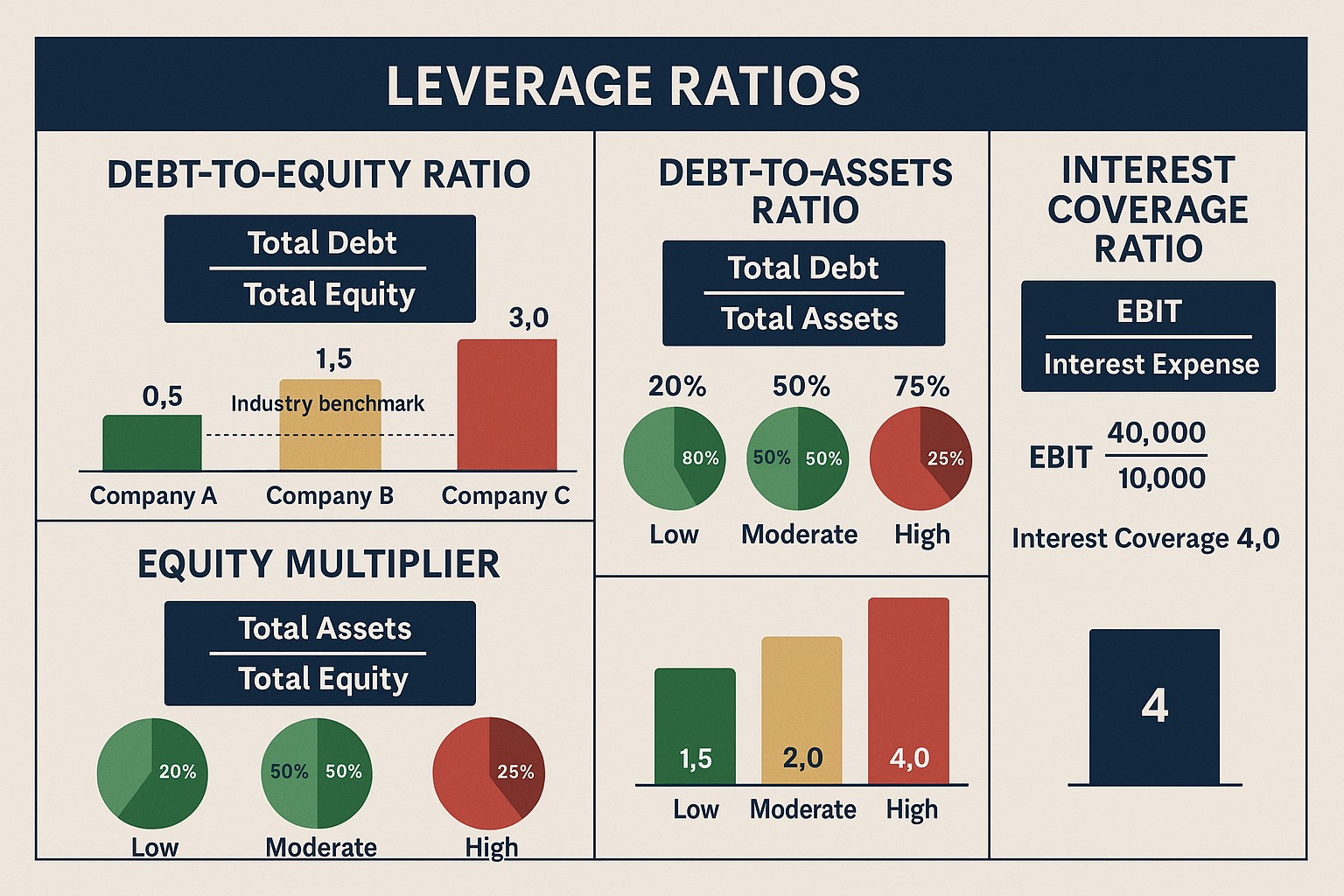
Sophisticated market participants view leverage not merely as a means to boost returns, but rather as a structural risk factor. Sustainable capital advancement hinges on understanding its intrinsic imbalance: while gains on the upside can be flexible and reversible, losses from leverage frequently result in permanent damage to the portfolio. In well-established markets, careful management of leverage differentiates consistent compounding from devastating capital loss throughout entire market cycles.