
The accumulation of wealth is commonly portrayed in culture as a definitive answer to the uncertainties and tensions of life. Numerous participants in the marketplace spend many years focusing on the growth of their financial portfolios, often under the silent assumption that increasing their assets will alleviate stress, stabilize their decision-making processes, and provide enduring comfort in life. However, tangible financial realities expose a distinct contrast: capital serves as an effective mechanism for addressing concrete issues, yet it cannot resolve the foundational uncertainties that influence long-term life pathways and overall satisfaction.
Many only grasp this insight once they hit their material milestones. New worries then surface about safeguarding wealth, arranging legacies and sustaining social standing, none of which money is able to fully resolve. Finances do widen people’s options and shield them from tangible difficulties, yet true contentment and lasting tranquility stem from non-material pillars: personal meaning, meaningful connections and coming to terms with life’s unpredictability.
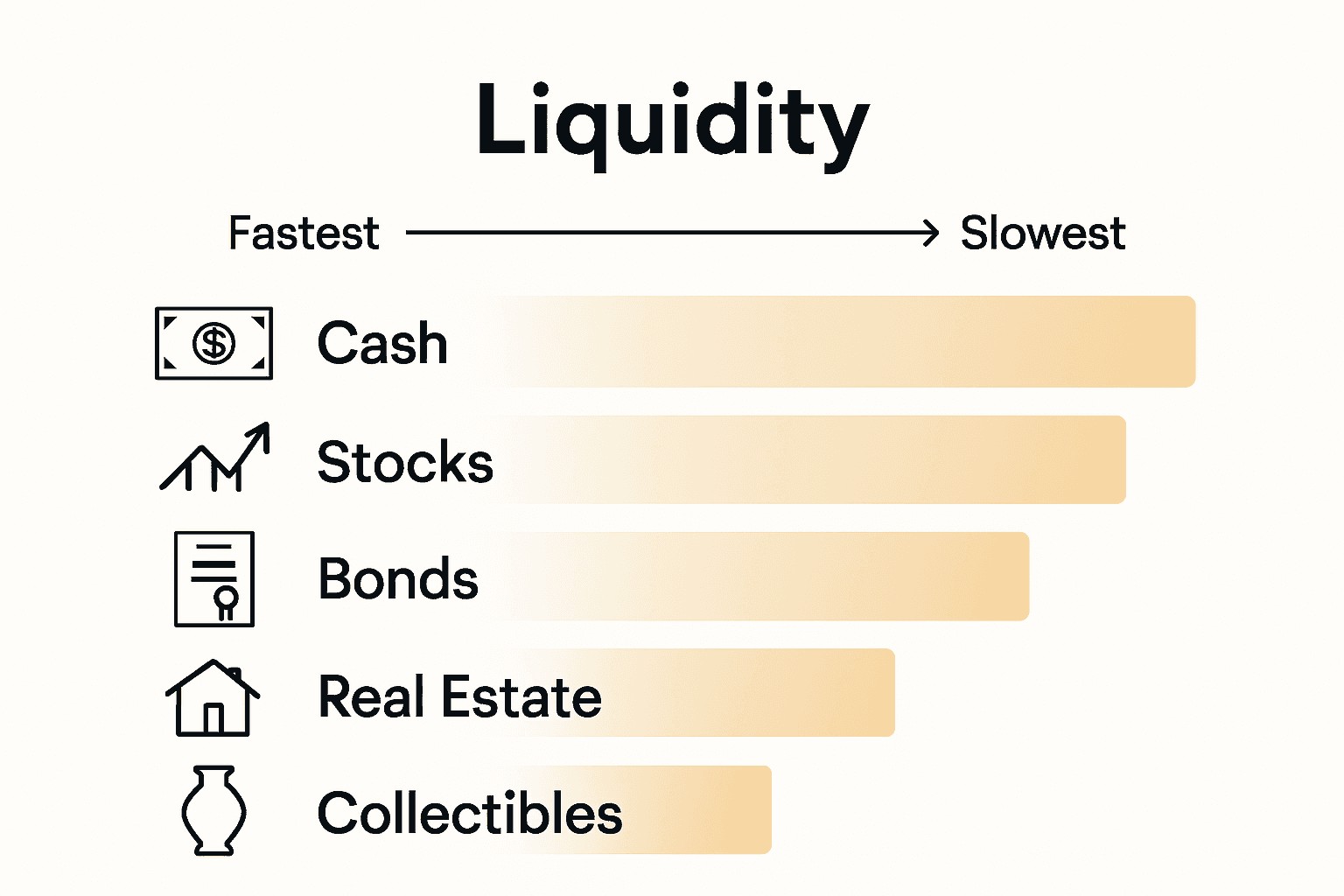
A subtle, recurring trend among seasoned asset holders supports this distinction. Increasing net worth repeatedly alleviates concrete financial issues: lack of liquidity, pressure from liabilities, restricted market opportunities, and limited resources. These practical solutions create fleeting tranquility, fostering an erroneous subconscious notion that greater capital translates into enhanced life stability. Despite effectively addressing specific monetary issues, many individuals still grapple with ongoing strategic anxiety, uncertainty regarding asset distribution, and lingering doubts about the ultimate purpose of their wealth.

The primary misunderstanding arises from equating the removal of problems with life satisfaction. Money operates within rigid, transactional limits. It alleviates external monetary pressures and broadens operational choices, but it cannot establish personal priorities, clarify strategic limits, or nurture a disciplined financial mentality. These internal structural factors dictate the long-term sustainability of wealth, yet they remain entirely unaffected by larger account balances or improved annual yields.
The consequences that follow reveal the underlying contradiction of wealth accumulation. Depending on capital to provide life satisfaction leads to an ongoing cycle of dissatisfaction. When new asset growth does not clarify deeper personal or strategic uncertainties, the focus shifts to pursuing larger returns based on the belief that the current wealth is inadequate. This cycle fosters an aggressive approach to portfolio management, increased willingness to take risks, and excessive sensitivity to market fluctuations, creating additional financial issues while leaving essential life-related uncertainties unresolved.
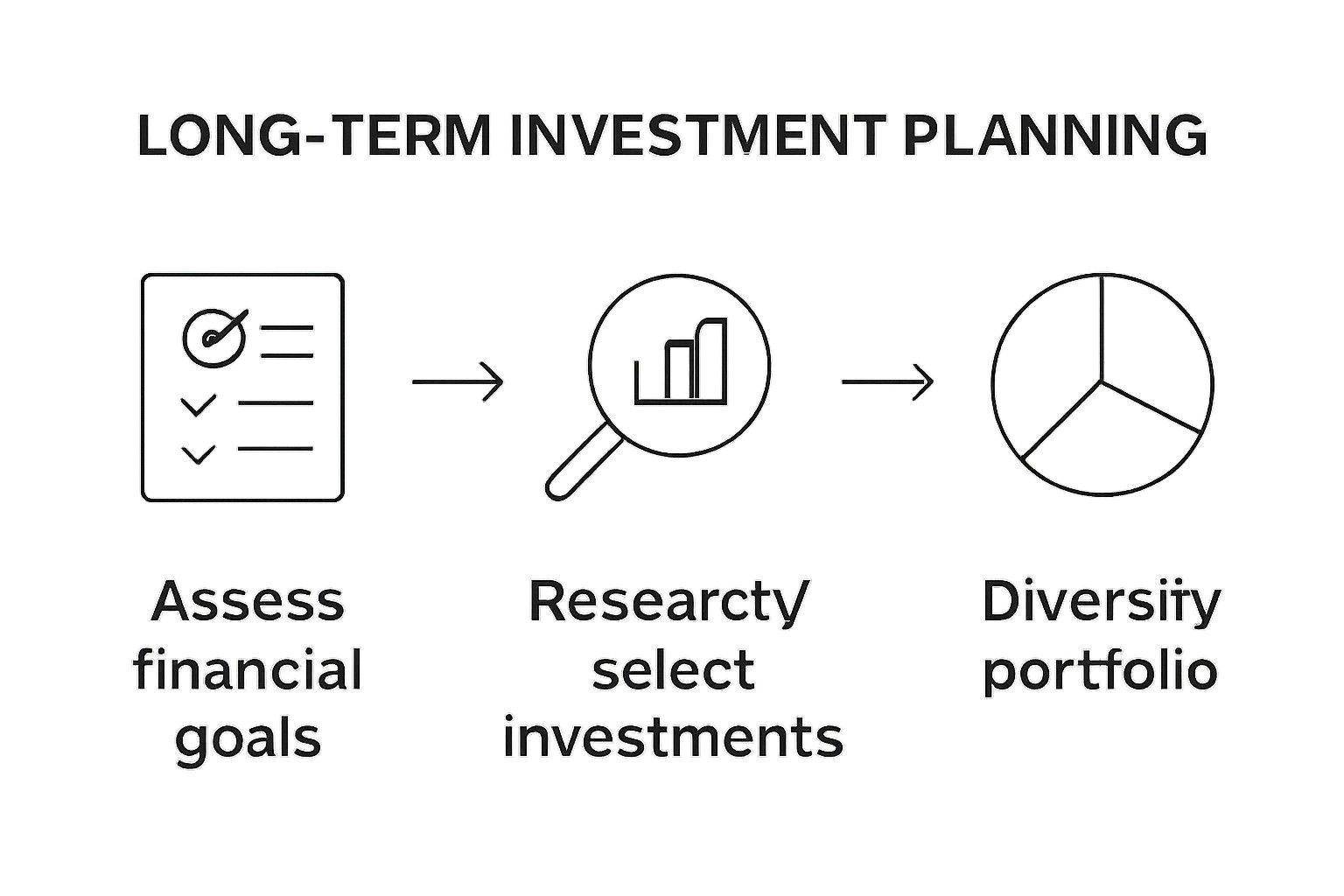
This dynamic illustrates why the maturity of wealth rarely correlates solely with the size of assets. Experienced wealth managers differentiate between solvable financial challenges and unalterable life variables. Capital buffers address the former by protecting portfolios from systemic disruptions and daily financial stresses. The latter requires deliberate framework development, including clear risk parameters, established investment philosophies, and well-structured plans for the long term that are independent of short-term performance variations.
In advanced wealth management practices, money takes on a focused and influential role as a risk mitigator and a facilitator of opportunities. It eliminates preventable barriers but does not construct a sustainable financial existence. Acknowledging this limitation shifts investment behavior from relentless accumulation toward organized, purpose-oriented stewardship, effectively aligning capital growth with intentional long-term life and financial objectives.