
Contemporary financial society associates the validation of wealth almost entirely with the ability to consume. Larger quantities of assets are broadly perceived as a permit for enhanced lifestyles, luxury purchases, and increased discretionary expenses. This limited view reduces a complex financial concept to simple spending ability, neglecting the intricate structural worth that characterizes enduring wealth development and individual financial freedom.
This limited cultural mindset warps financial priorities, driving many to favor visible spending over building compounding assets, generating passive income, and protecting wealth with risk controls. Status gained through flashy consumption creates a self-reinforcing social loop, where financial success is assessed by outward appearances instead of financial resilience or long-term capital freedom. Sustainable wealth, however, depends on adaptable liquidity reserves, income separate from active employment, and the ability to survive economic downturns without endangering core financial security. When people primarily judge financial worth by consumption levels, households often get stuck in lifestyle inflation that eats away savings and delays true financial independence.

A nuanced behavioral trend arises among individuals with increased financial resources, highlighting this disconnect. Numerous high-end spending patterns commence with gradual lifestyle improvements, beginning with premium asset acquisitions and rising everyday expenditures. These changes provide fleeting moments of fulfillment, but they swiftly reset internal baseline expectations. What initially appears exceptional quickly turns into the norm, establishing a recurring loop of consumption that necessitates ongoing income enhancement or appreciation of assets merely to sustain current living standards.
The primary misconception lies in viewing consumption as the ultimate objective of wealth. Expenditure transforms capital into momentary lifestyle advantages that diminish over time, leaving behind no lasting structural worth. Resources allocated for consumption fail to compound, do not shield against market fluctuations, and cannot produce future passive income. Each portion of capital dedicated to lifestyle enhancement signifies a definite transition from wealth retention to ephemeral utility, undermining the compounding foundation essential for long-lasting financial security.

Second-order effects introduce far more subtle and significant vulnerabilities within individual financial systems. Wealth frameworks focused on consumption foster lifestyle inflation, a quiet force that escalates fixed financial obligations and diminishes strategic adaptability. Increased baseline expenditures create implicit pressures to seek immediate returns, accept unnecessary market exposure, or sustain unviable income sources to match regular spending. Over time, this dynamic confines financial profiles in a reactive cycle, where wealth is solely utilized to support ongoing consumption instead of ensuring long-term autonomy.
The essential role of wealth functions beyond mere transactional purchasing power. Its primary purpose resides in structural strength, strategic choices, and temporal liberty. Accumulated assets provide protection against unexpected market disturbances, job disruptions, and broader economic changes. It enables the emphasis on long-term asset growth over instant rewards and fosters financial decisions based on strategic value instead of lifestyle obligations.
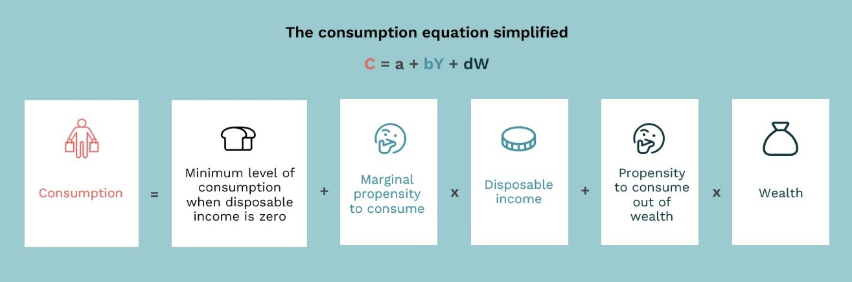
This shift signifies advanced financial awareness. Consumption serves as a marginal outcome of wealth, rather than its core aim. Lasting financial contentment originates from structural safety and self-directed decisions, not transient material enhancements. In adept wealth management, capital acts as a stabilizing, forward-looking asset foundation, granting lasting independence that is far more precious than any temporary consumption privilege.