
Many investors concentrate on the concept of interest compounding, which refers to the gradual and consistent increase in savings along with fixed-income assets, but they frequently ignore a much more impactful concept: earning compounding. For individuals capable of accumulating significant wealth, the distinction between these two aspects represents the divide between slight growth and remarkable financial achievement. Interest compounding is based on passive earnings, whereas earning compounding utilizes your most critical resource—your capability to generate income—transforming single achievements into a series of wealth-enhancing chances.

Interest Compounding Has a Capital Constraint
Interest compounding, though reliable, is limited by the initial capital you invest. Even high-yield savings accounts or bonds can grow only in relation to the original amount you contributed; after that investment is set, its growth follows a predictable and linear pattern with minimal potential for expansion. For individuals with high earnings, this implies that interest by itself can never reach the growth possibilities presented by their capacity to create new income since it is linked to a fixed amount rather than a flexible skill set.
Interest compounding requires no active involvement or value generation from your end; it is a passive process. You place money in an account, and it gradually increases regardless of your efforts. In contrast, earning compounding is fundamentally based on generating value—for clients, customers, or various markets. This creation of value not only leads to immediate income but also boosts your reputation and influence, creating pathways to new, more lucrative opportunities that interest compounding alone cannot deliver.
Earning Compounding Reduces Market Fluctuations
Interest compounding is susceptible to market fluctuations, inflation, and changes in policies—elements that diminish the purchasing power of passive earnings. Earning compounding, on the other hand, demonstrates resilience. Your capacity to earn remains unaffected by market trends; even in economic downturns, those who can provide value, resolve issues, or modify their skills will continue to see income flow. This adaptability renders earning compounding a significantly more dependable tool for wealth creation for affluent individuals.
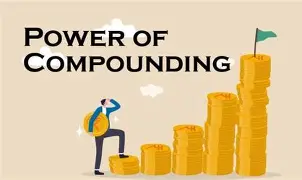
Over the years, interest compounding tends to lose its effectiveness. As inflation escalates and interest rates vary, the real gains from passive investments tend to diminish. Conversely, earning compounding gains pace over time. Each success fosters greater confidence, skills, and resources, enabling you to pursue larger and more profitable endeavors. What begins as a single source of income can develop into numerous, diversified wealth-generating avenues that surpass any strategy reliant solely on passive interest.
Earning Compounding Creates a Legacy Beyond Wealth
Interest accumulation builds financial prosperity, whereas the process of earning accumulation establishes a lasting legacy. Passive interest produces income for oneself, while the skills, systems, and enterprises developed through earning accumulation can be inherited, expanded, or disseminated—resulting in enduring benefits for future generations. Those who earn high incomes recognize that real wealth encompasses more than merely having money; it involves the capacity to continue producing wealth even after passive interest ceases to increase.
For individuals capable of investing and generating income, a common error is to place greater importance on passive interest as opposed to active earning. Earning accumulation is not only a quicker method for wealth creation but also a more sustainable, robust, and satisfying approach. It transforms your abilities into an ever-expanding resource, greatly surpassing the limited advancement of interest accumulation and ensuring enduring financial independence.