

A nuanced financial distinction exists between balance sheets that appear similar within seasoned investor communities. Certain portfolios boasting considerable nominal asset values are still influenced by external market conditions, liquidity limits, and timing trade-offs. In contrast, others with lesser asset quantities enjoy complete operational discretion to employ, pause, or adjust capital during various market phases. This divergence reveals a fundamental financial reality seldom examined in mainstream discussions: the numerical size of assets does not define true wealth, which ultimately lies in sustained financial authority.
Traditional market discussions present wealth as an accumulation of asset holdings, a static measure assessed through quarterly evaluations of balance sheets. This superficial understanding equates substantial net worth with economic safety, neglecting the important difference between owning assets and wielding operational control. Numerous large portfolios endure quiet structural reliance: capital is trapped in illiquid assets, leveraged arrangements, or index-linked investments, which restrict strategic choices based on market moods, policy changes, and third-party liquidity regulations.

True financial authority translates to real decision-making freedom across various market conditions. It is characterized by the capacity to postpone investments during overheated market rallies, maintain liquidity amid volatility, and redirect capital toward emerging niche ventures without forced concessions. Such functional independence dissociates financial health from everyday market variations, transforming static asset holdings into flexible, responsive capital that acts based on internal timing rather than outside pressures. This proactive management sets enduring wealth apart from ephemeral paper riches.
An important secondary paradox arises from the misunderstanding of value in relation to control. Intense asset accumulation can diminish financial autonomy over time. Expanding holdings into illiquid alternative investments, heavily concentrated sectors, or leveraged real estate may increase nominal net worth but also create concealed dependencies. Lock-up durations, margin requirements, and limited secondary market liquidity can diminish discretionary capabilities, resulting in a scenario where greater asset volume aligns with reduced operational authority.

The broader systemic implications reach well beyond individual portfolio restrictions. Market participants who emphasize asset quantity over control become passive recipients of pricing changes, exposed to algorithm-driven liquidity alterations and institutional capital movements. Their financial results depend entirely on external market conditions rather than internal allocation strategies. Over complete market cycles, this lack of activity leads to slow wealth erosion, while controlled, adaptable capital seizes disproportionate rewards during structural shifts.
Passive investors often fail to recognize how today’s markets are dominated by big institutional flows and automated trades, which can drive sharp price moves disconnected from business fundamentals. Lacking clear rules for entry, exit and risk controls, they have few responses when liquidity vanishes rapidly or market consensus flips. Capital managed with active oversight, however, can patiently await mispriced opportunities and scale back holdings when speculation overheats, building a lasting edge that accumulates across different market environments. This gap separates investors who merely surf market trends from those who can adapt to and profit from fundamental regime transitions.
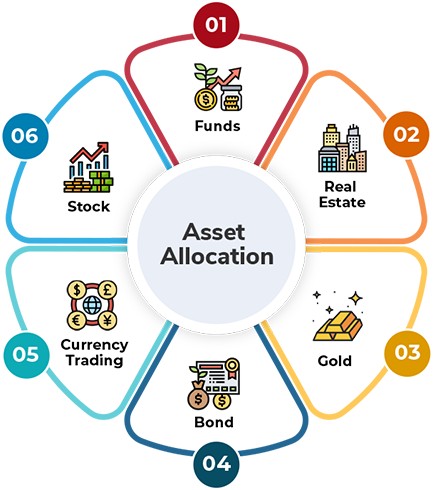
Contemporary capital management is centered around reorganizing fundamental financial priorities. Building sustainable wealth revolves around maintaining decision-making independence while expanding asset portfolios, steering clear of structural entrapment and unnecessary market reliance. In the current unpredictable, liquidity-focused financial environment, lasting financial power arises not from amassing additional assets, but from sustaining uncompromised control over every decision related to capital deployment.