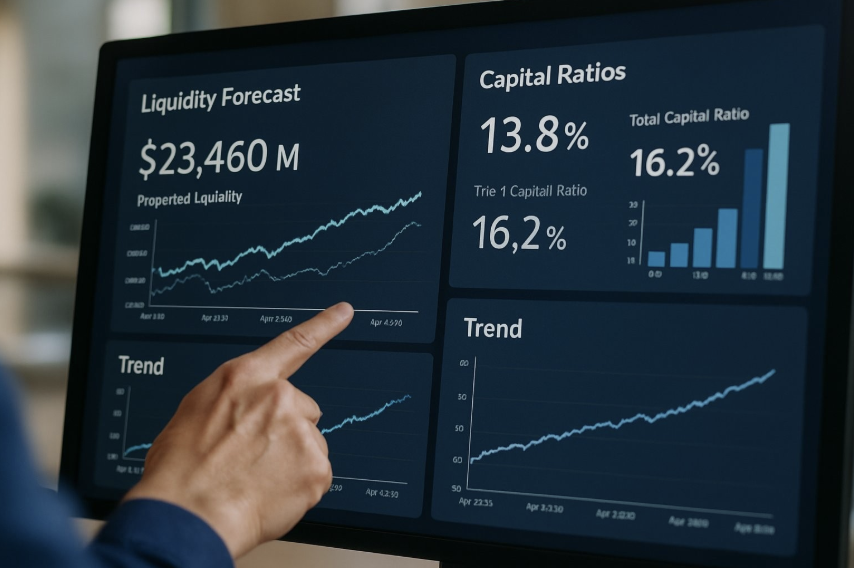

Participants in the market often concentrate on choosing the perfect moment to enter, selecting assets, and optimizing returns over the short term, viewing these tactical decisions as the primary elements driving enduring financial growth. A significant amount of time is spent trying to seize slight market advantages and exceed cyclical standards. However, established cycles in capital markets reveal a more subtle reality. The process of wealth increase relies significantly less on the skills of tactical trading and much more on prolonged time exposure, making enduring patience the most overlooked competitive edge in finance.
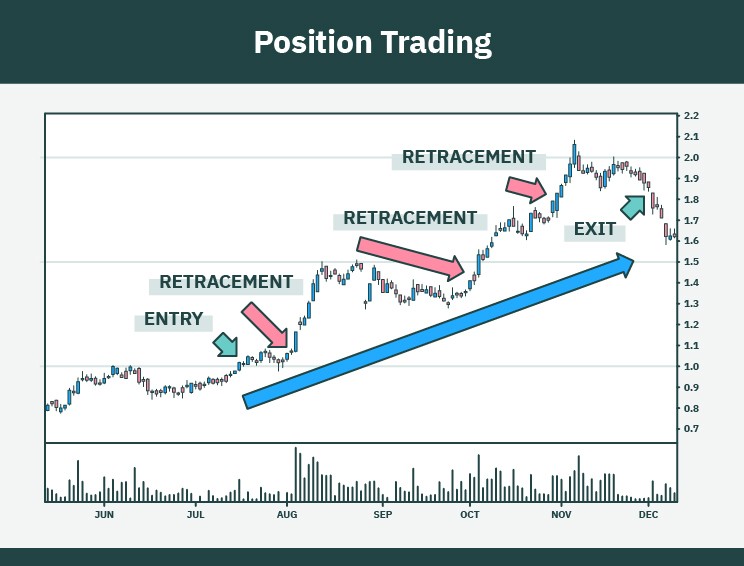
A clear imbalance at the micro level showcases this principle. Two investment portfolios with the same annual returns show a stark difference in their ultimate values merely based on the duration of their holdings. Investors who regularly adjust their positions capture superficial gains yet disrupt the process of continuous compounding with their frequent buy and sell actions. In contrast, those who maintain long-term holdings endure normal fluctuations and slight downturns, allowing their assets to appreciate and reinvest passively without interruptions. Consistency over time prevails over occasional tactical gains throughout entire market cycles.
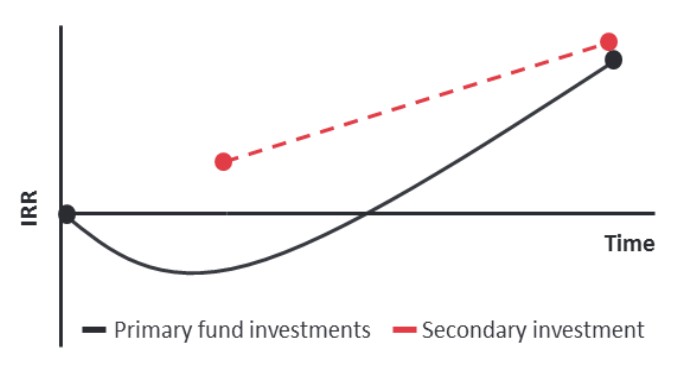
The consequences of this time-centric advantage magnify into lasting wealth disparities. Prolonged exposure to the market fosters layered compounding momentum, where the gains from assets produce additional increases independently of any fresh capital investments. This organic growth mechanism leads to a self-sustaining expansion of wealth that no short-term trading approach can mimic. The secondary effects adjust the risk profile of a portfolio: long-term holdings mitigate the impact of cyclical volatility, converting temporary market shifts into beneficial averages over the long haul instead of being setbacks in performance.
A significant contradiction within the industry arises from this reliance on time. Market volatility, often seen as a risk by active traders, transforms into a beneficial structure for capital held over extended periods. Longer holding times lessen the effects of short-term price fluctuations while securing the upward trend that characterizes mature equity and alternative asset markets. Tactical traders seek to avoid minor volatility, but this leads them to forfeit the consistency of compounding, creating an invisible trade-off between short-term security and the trajectory of long-term wealth.

Behavioral resistance further extends this gap. The finance sector emphasizes rapid achievements and quarterly performance indicators, creating a norm of short-term assessments that clash with the longer timeline necessary for compounding. This cultural inclination prompts asset managers to frequently adjust portfolios, which undermines the time consistency that is essential for robust wealth growth. The characteristic of patient duration emerges as a rare strategic advantage specifically because it opposes the prevailing behaviors found in the market.
Sophisticated long-term investment strategies move away from the fixation on flawlessly timing the market. They focus on maintaining uninterrupted exposure to the market and reducing disruptive turnover. In today’s capital markets, small differences in returns diminish over time, while consistency in duration becomes more influential in determining ultimate results. Ultimately, the process of building wealth favors a steady presence over isolated tactical genius, reinforcing the importance of time as the most dependable lever for growth in finance.