
Many individuals perceive debt as an obligation that should be settled quickly; however, affluent individuals tackle it with a more calculated approach. Their hesitation to quickly pay off debts is unrelated to a lack of cash flow; instead, it arises from using debt as a means to enhance wealth, improve asset efficiency, and capitalize on concealed opportunities. For those who are financially secure, debt functions as a resource, and rushing to pay it off could lead to a loss of long-term economic benefits.
Debt as a Means of Leverage, Not a Handicap
Wealthy individuals prefer to utilize inexpensive debt for investing in high-yield opportunities rather than settling it earlier than necessary. In contrast to average earners who aim for debt elimination, these individuals understand that borrowed funds can bring in greater profits than the interest owed. For instance, a mortgage with a low interest rate on a commercial property might yield rental revenues that significantly surpass monthly mortgage payments, making premature repayment an unfavorable strategic option.
Paying off debt too soon immobilizes capital that could be invested in urgent prospects. Wealthy individuals focus on keeping liquid assets to seize market downturns, private equity investments, or business initiatives. They are aware that lost opportunities usually incur higher costs than the interest that builds on their current debts.
Tax Efficiency: Advantages Driven by Debt
Debt can provide concealed tax benefits that wealthy individuals exploit. Payments on interest for debts related to investments, real estate financing, or business loans are frequently tax-deductible, lowering their overall tax obligations. Paying off debts too early would forfeit these deductions, resulting in higher taxable income, a compromise they deliberately avoid.
Optimizing Asset Structure: Debt as a Protective Measure
The portfolios of affluent individuals require a balanced amount of liquidity, with debt serving as a safety net. Hastily paying back debts could exhaust cash reserves, preventing adaptability during market fluctuations or unforeseen costs. Keeping debt within controlled limits allows for asset maneuverability without jeopardizing financial security.
Preservation of Creditworthiness
For wealthy individuals, having no debt does not necessarily mean strong credit standing. Ongoing, timely debt payments foster a solid credit profile, allowing access to exclusive credit lines with low interest for subsequent investments. Quick repayment might weaken their credit history, restricting access to advantageous financial resources.
Market Timing: Optimizing Repayment with Market Trends
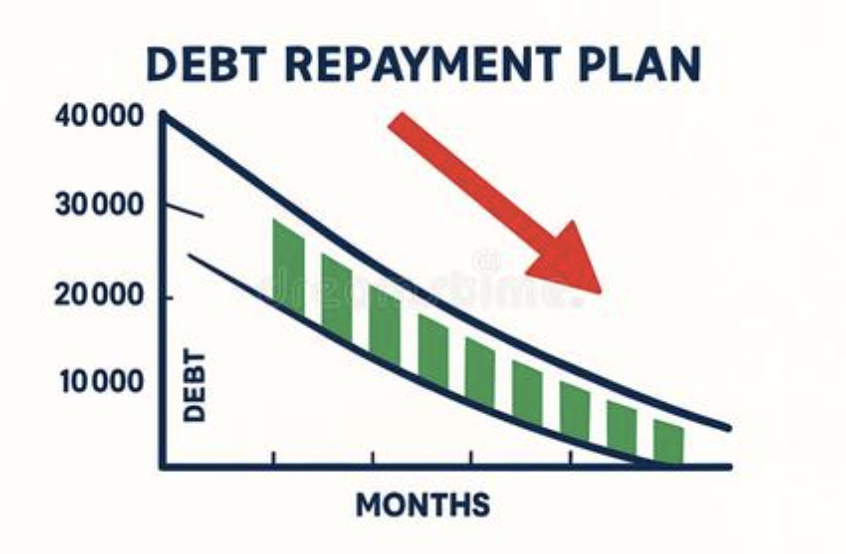
Affluent individuals strategically time their debt repayments according to market trends. They may postpone repayments in times of high inflation (which diminishes the debt's real value) or during periods of low interest rates, but accelerate repayments when rates increase significantly. This cyclical strategy maximizes the value of each dollar allocated to repayment.

For wealthy individuals, the decision to pay off debt is a deliberate choice rather than an impulsive reaction. Their unwillingness to rush payments is rooted in perceiving debt as a strategic asset—one that promotes wealth expansion, optimizes tax benefits, and maintains flexibility. The distinction lies not in their capacity to repay debts, but in their skillful use of debt to exceed traditional financial principles.