
For individuals with high spending habits, feelings of regret after making purchases seldom arise from financial constraints; instead, they come from a disconnect between extravagant buys and their core values, self-identity, or objectives related to long-term financial stability. Numerous wealthy consumers fall victim to underlying psychological cues and external influences, resulting in impulsive purchases that provide momentary satisfaction but feel empty afterward. This remorse lingers not due to a shortage of money, but because these acquisitions do not meet unvoiced hopes.

Wealthy consumers frequently use luxury items to convey their status; however, a significant portion of their expenditures are influenced more by the desire for societal validation than true self-representation. While a limited-edition timepiece or customized yacht may match societal views of achievement, once the purchase is made, the buyer often discovers it does not resonate with their genuine values—such as quality family time, understated elegance, or responsible investing. The conflict between “who I am” and “the image I projected through my purchase” amplifies feelings of regret.
Concealed Liquidity Constraints
Individuals with substantial wealth tend to overlook the opportunity costs related to illiquid luxury possessions. An expensive artwork, collectible vehicle, or vacation property can immobilize resources that could alternatively be invested for passive income or higher returns. Once the excitement of the initial acquisition wanes, the realization sets in: the item isn’t producing value and might even decline in worth or require pricey upkeep, diminishing potential wealth in the long run.

Decision Exhaustion and Passive Purchasing
The lifestyle of the wealthy often necessitates continuous high-stakes choices—from corporate negotiations to financial strategy changes. This mental fatigue results in passive purchasing behavior: selecting luxury items not out of true desire, but simply because it feels like the “next logical step” (such as moving to a larger property or opting for an elite membership). After the purchase, the absence of purpose becomes evident, leading to regret instead of fulfillment.
Wealthy networks frequently function based on implicit comparisons. A friend's recent acquisition of a private jet or elite resort membership can prompt a purchase driven by the need to "keep up." Unlike typical consumers, affluent individuals can fully finance these splurges, but after the purchase, they become aware of an obligation cycle: each acquisition establishes a new benchmark, ensnaring them in a repetitive consumption pattern that fails to deliver happiness.
Short-Term Excitement Versus Lasting Value
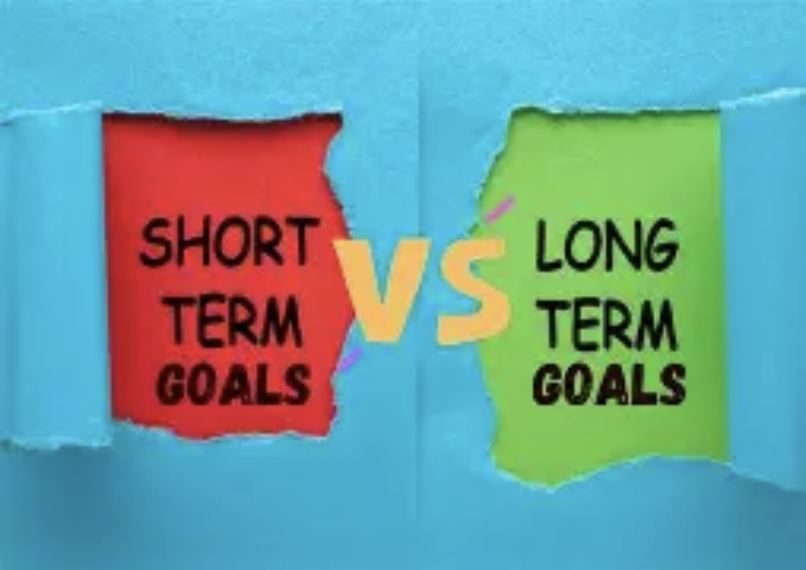
Luxury items cater to a desire for instant pleasures, yet affluent consumers usually prioritize lasting legacies. An extravagant event or high-end attire might provide immediate joy, but post-acquisition regret surfaces when reflecting on the superficiality of such thrills compared to enduring investments—such as funding family foundations, securing education for children, or enhancing a multi-generational enterprise. The trivial nature of the indulgence is starkly contrasted with significant long-term aspirations.
Wealthy individuals often seek to enhance their lives by indulging in luxury experiences (private vacations, gourmet dining), but excessive consumption can lessen their significance. A safari that was once extraordinary becomes mundane after several similar experiences; a fine wine loses its appeal when it is just part of a large collection. After the experience, regret arises from squandering a “unique” occasion on something that has become commonplace, stripping it of its significance.