
For individuals with high spending habits, the transition from being an “employee” to becoming a “free individual” involves more than just leaving a job—it represents a fundamental change in how you view and utilize money. It transcends merely saving for future retirement and focuses on creating a financial system that provides independence, where your finances work diligently so that you can live purposefully.

The mindset of an employee equates value with the hours invested, but true freedom starts when you shift your emphasis to income generated from assets. This includes more than just stocks or bonds; it involves establishing income sources that do not require your daily engagement, such as a collection of rental properties managed by a team, earnings from a patented invention, or shares in a profitable business. These types of assets convert “earned income” into “passive wealth,” which is essential for achieving freedom.
Rethinking “Affordability” Using Freedom Indicators
High earners frequently mistake “can afford” for “should purchase.” The freedom perspective prompts you to consider: Does this acquisition bring me nearer to independence, or does it bind me to a salary? A high-end vehicle that loses value might seem within reach, but reallocating those funds towards an asset yielding $5,000 each month brings you closer to financial independence. Each expense represents a choice for or against freedom.
Creating a “Freedom Buffer” Instead of Just Emergency Funds
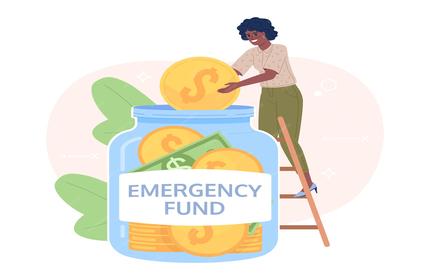
While emergency savings provide for unforeseen expenses, a freedom buffer offers the capacity for choice. This is a financial reserve substantial enough to pay for living costs for 12 to 24 months and to initiate asset investments. This buffer alleviates the anxiety of “what if” when resigning from a job, allowing you to take calculated risks to increase passive income without worrying about finances.
Employees trade their knowledge for a paycheck; free individuals leverage it for expansion. A marketing professional may start a specialized consulting firm that operates with a small staff, while someone in tech could invest in startups addressing issues they are familiar with. This transforms your expertise from a time-reliant good into a wealth-producing mechanism that expands beyond your individual efforts.
Avoiding the “Lifestyle Inflation” Cycle
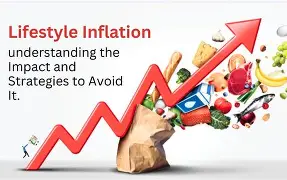
As earnings grow, so too do expenses—this loop often keeps even those with high incomes tethered to their jobs. The freedom perspective halts lifestyle inflation: rather than upgrading homes or vacations with each income increase, reinvest that additional income into assets. This purposeful restraint does not imply a loss of comfort; it signifies a choice to prioritize future independence over immediate indulgences.
Freedom as a Financial Goal, Not an Emotion
Genuine freedom is not an ambiguous aspiration—it represents a concrete condition where your passive income surpasses your preferred lifestyle expenses. It necessitates clear understanding: precisely defining what “free” means (traveling, giving back, engaging in creative endeavors) and creating a financial strategy to achieve it. For individuals with high consumption patterns, this transformation redefines wealth from a mere indicator of status into a means for living life according to your own choices.